Animal Care
The success of the Canadian cattle industry relies on healthy, well-cared for cattle. Canada’s farmers and ranchers work hard to care for their animals every day. Where there are concerns, farmers and ranchers work with the CCA Animal Health and Care Committee towards improvements through research, communication, and education.

The Canadian Cattle Association (CCA) has been a long-time champion of Canadian producers’ world-leading stockmanship. That’s why the Canadian beef industry took a leading role in the development of the Code of Practice for the Care and Handling of Beef Cattle in 1981, its renewal in 2013, and reaffirmation in 2018 after a 5-year review.
The most recent review process, initiated in 2023, will include a 60-day public comment period on the draft Code content to begin on April 13, 2026. Producer feedback will be a very important step in this process.
What is the Beef Code of Practice?
Established in 1981, The Beef Code of Practice is a document that outlines routine industry practices and sets a basic standard of care for beef cattle in Canada.
It is an outcome-based approach that focuses on achieving successful standards while allowing for flexibility in how these outcomes are met rather than dictating the exact processes or methods to be used.
Science-backed, industry leadership on code development, reviews, and revisions ensures a code that reflects an animal care standard that is grounded in practicality while considering the diversity of Canadian beef cattle producers.
CCA advocates for practical on‑farm practices that work for producers, while demonstrating continuous improvement in animal care and handling to customers and the public.
Similar codes exist for all major on-farm livestock species across Canada.
Click here for the current 2013 Beef Code of Practice to learn more.
How is the code developed?
The National Farm Animal Care Council (NFACC) has a long-standing process in place to renew existing Codes or draft new Codes.
The Code is developed through a structured, multi-stakeholder process that includes producers, veterinarians, scientists, transporters, processors, retailers, government, and animal welfare representatives throughout the entire process. Decisions are science-informed and consensus-based.
The process involves two committees: the Code Development Committee and Scientific Committee. The Code Development Committee is the group that drafts the new Code. The Scientific Committee reviews literature pertaining to priority welfare issues. Their report informs the drafting work of the Code Development Committee.
The Code development process includes a public comment period to allow producers, consumers, and other stakeholders the opportunity to review the draft Code and provide input to inform the final version.
Is the code a government regulation?
Animal protection law is a provincial/territorial responsibility and legislation varies by province/territory. In all provinces, animals are protected by law from abuse and undue suffering. The code serves as a reference point for animal enforcement officers and courts to use as a benchmark for acceptable industry practices and standards of care when evaluating animal welfare and enforcing animal protection acts. Farmers and ranchers remain responsible for the way their animals are raised. That is why it is important for producers to take an active role in reviewing and updating the code and participate in the public comment period.
Why is the code reviewed and updated?
Just like regularly reviewing a business plan or your insurance coverage, regular and thorough review are necessary to keep the code up to date and accurate to ensure it does not become irrelevant and discredited. The code is regularly reviewed and updated to keep pace with industry progress, societal expectations and the demands of customers and retailers. There is also value in the updated scientific report (what have we learned about priority welfare issues) and the updated content.
The National Farm Animal Care Council (NFACC) leads the process of developing codes of practice. Their best practice states that codes should be reviewed five years after publication, amended as necessary, and updated at least every 10 years to ensure they are current with government policy/regulations, industry best practices, societal expectations, and scientific research.
Why does the code matter to producers?
The Code allows the beef industry and producers to help shape Canada’s welfare standards for beef cattle. Including other perspectives strengthens credibility and ensures the final product reflects both science and societal expectations, proactively addressing customer, consumer, retail and public questions about how Canadian beef cattle are raised. Industry leadership on this initiative is the preferred option over government regulation. The Codes of Practice are used for extension tools, the foundation for animal care and on-farm assessment programs, and as reference materials for regulations.
What is CCA’s role in the review and revision process?
As the national industry group for beef cattle producers, the Canadian Cattle Association ensures that regular reviews are initiated to ensure the code keeps pace with industry progress, societal expectations and the demands of customers and retailers. An outdated code risks losing credibility whereas a well maintained, transparent, science-informed Code strengthens industry’s social license.
The CCA appoints the beef producer representatives from the feeding and cow-calf sectors across Canada to serve on the Code Committee. These producers are not necessarily CCA board members, but through their diverse backgrounds and areas of expertise, have been appointed to represent the producer view throughout the review process. There are many stakeholders and viewpoints to balance in the discussions. The CCA is committed to the code development process and ensuring the Beef Code continues to advance animal welfare and care, while remaining practical for Canadian farmers and ranchers.
What is being updated in the Code?
The NFACC process requires that the draft code content remain confidential until the public comment period begins. The public comment period is when broader producer engagement and feedback takes place.
The Code Committee and the Scientific Committee determined in 2024 which topics are particularly important to animal welfare and would benefit from a review of available or new research. That review included various health conditions at different stages of production, weaning, end-of-life management and pain control for painful procedures. The full scientific report will be available once the public comment period launches. All previous code content is still reviewed as part of this update process. More details can be found on the NFACC website.
What are the next steps?
The draft Code of Practice will be available for 60 days for public comment starting April 13, 2026. Once the comment period closes, the feedback will be compiled and reviewed by the code committee to look for any areas of improvement. A report summarizing the feedback and outlining how the Code Committee considered this feedback in the final version of the code will also be shared. The finalized updated Beef Code is anticipated to be published in the second quarter of 2027.
How can I stay informed?
We encourage interested producers to sign up for email notifications. CCA will email that list when the public comment period is open and other updates as they arise.
Producer Sign Up for Beef Code of Practice Updates
More information
To learn more about the code and the revisions process, visit www.nfacc.ca/codes-of-practice/beef-cattle
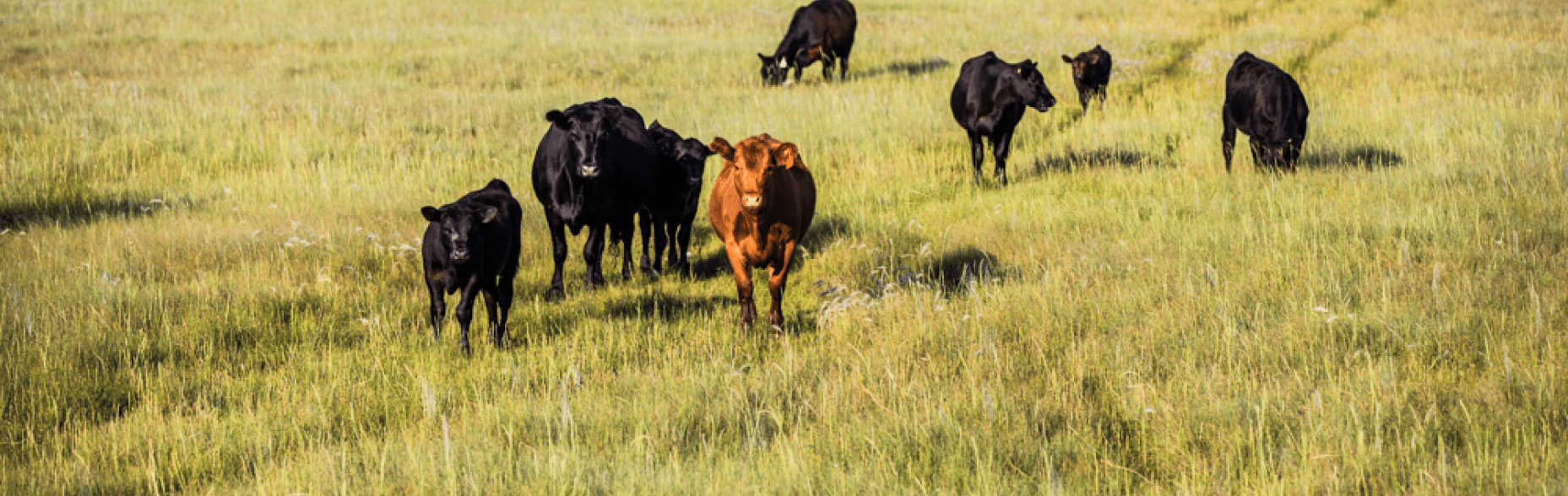
Animal health is a big part of animal care. The Canadian Beef Cattle On-Farm Biosecurity Standard provides practical and effective on-farm biosecurity practices that, when properly applied and followed, can reduce the risk of impact of endemic diseases and reduce or prevent the risk of a Foreign Animal Disease (FAD) outbreak in the Canadian herd.
The Standard is a tool that provides broad risk management guidelines that are practical and science-based and specific to the beef cattle industry. Its focus is on practices and procedures that are of a low-cost to the farmers and ranchers to implement.